About THR SM 2.0x0.4*D4
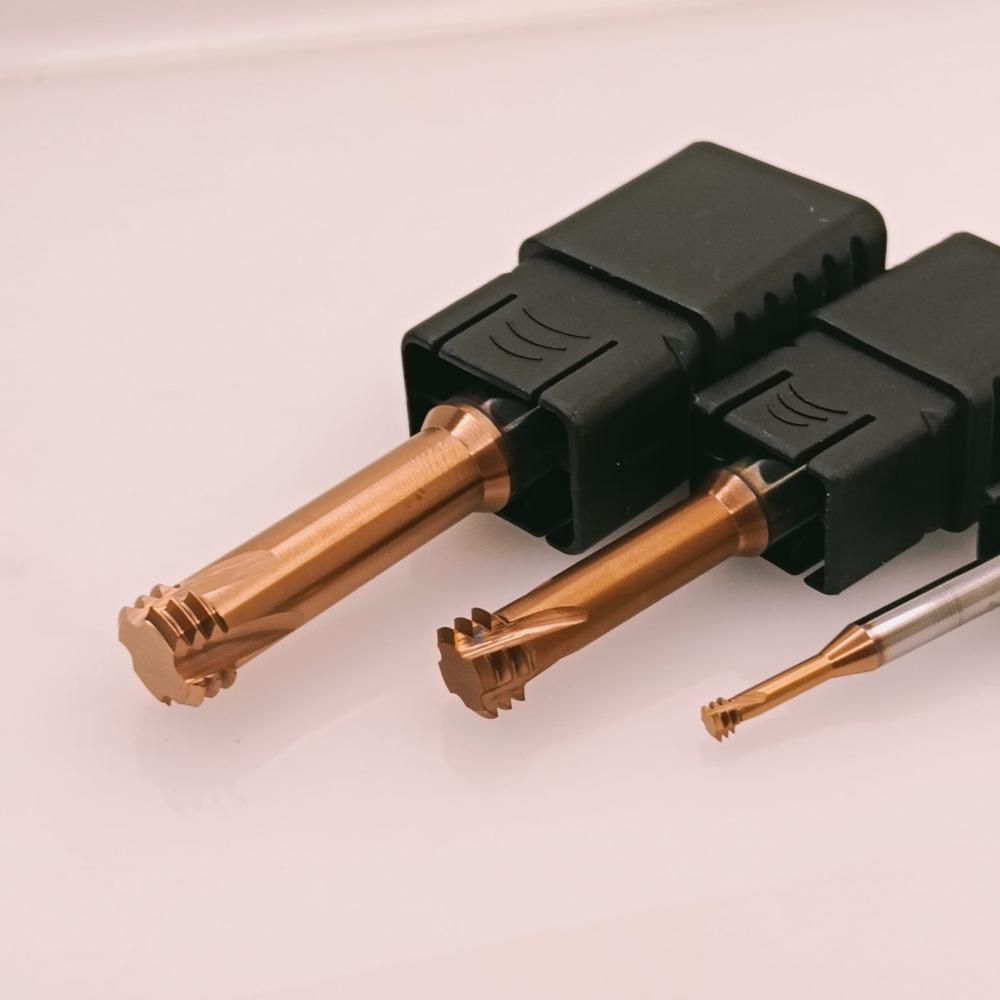
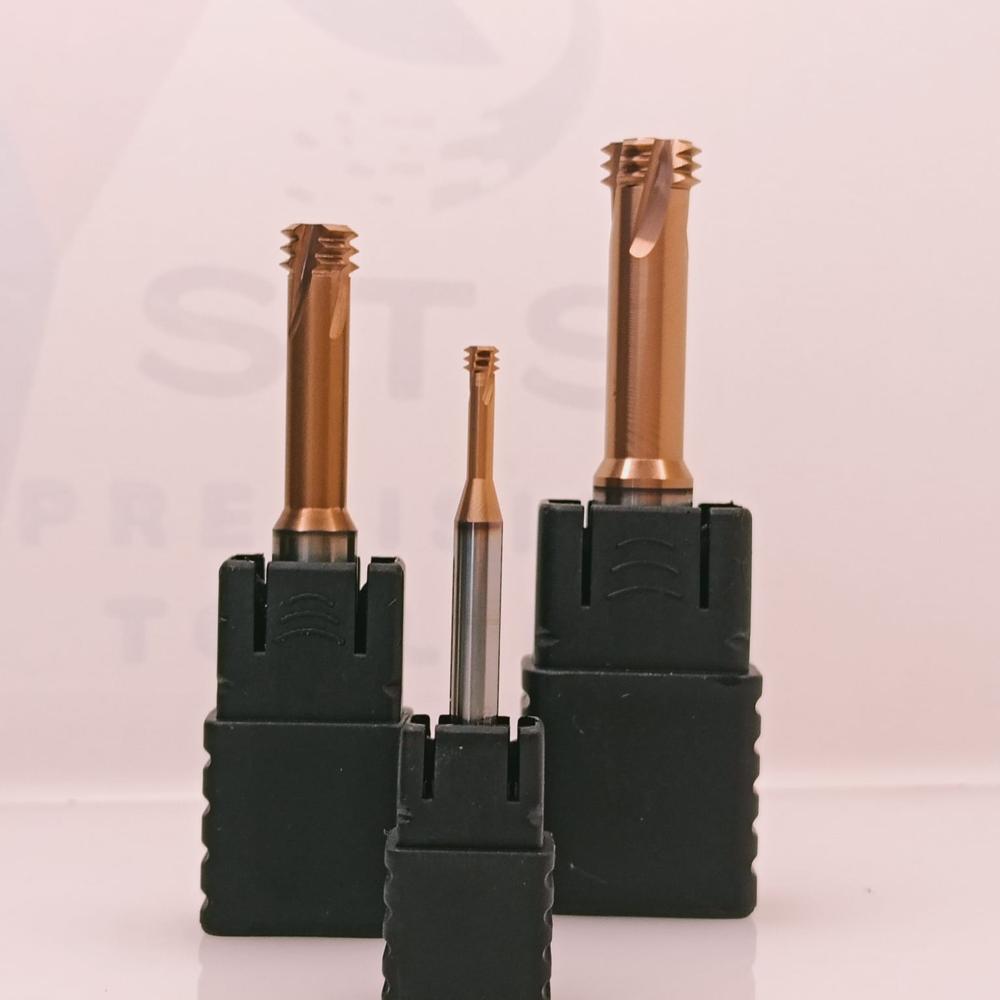
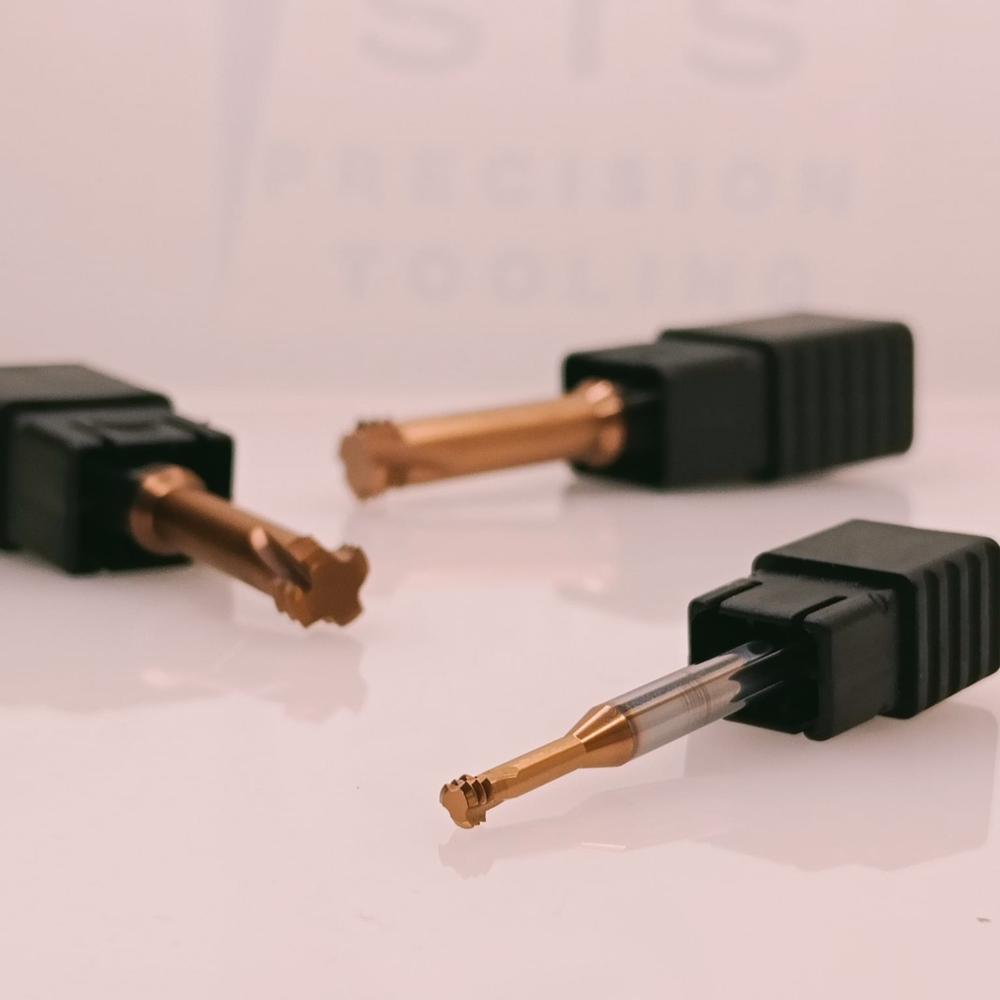
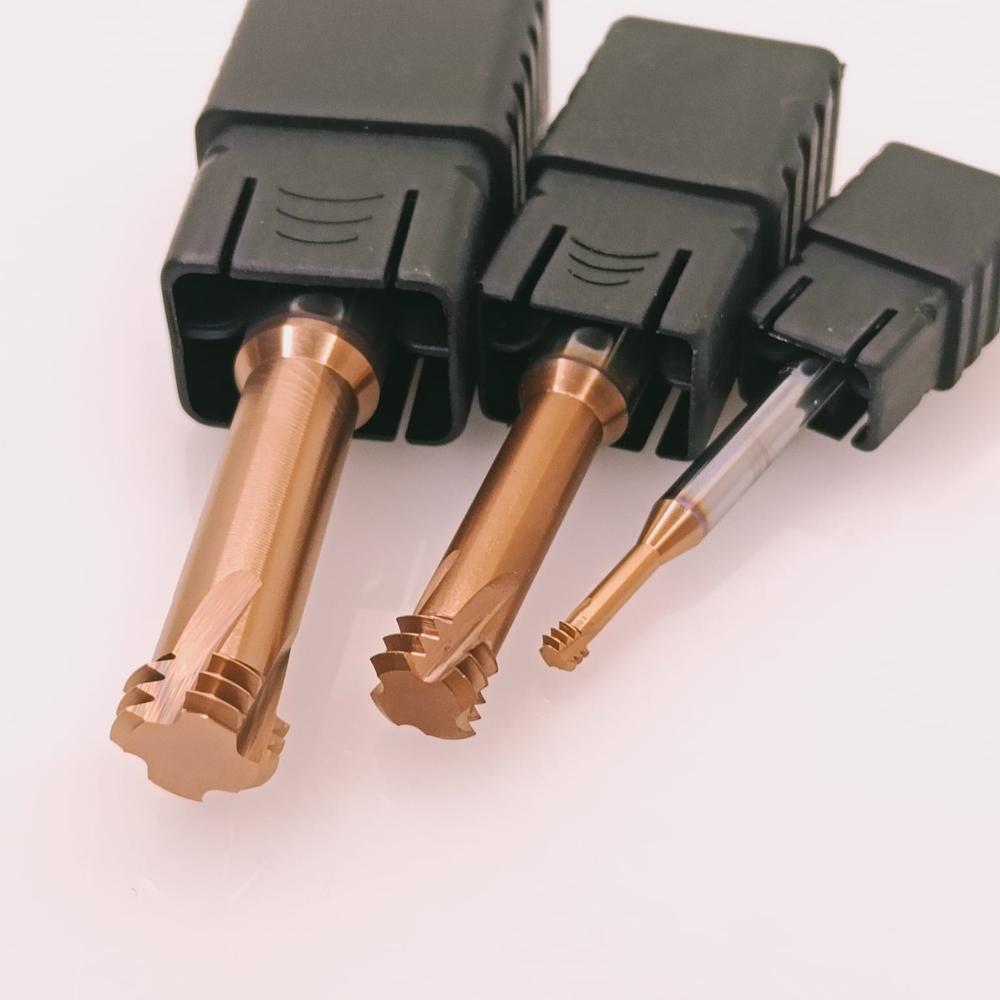
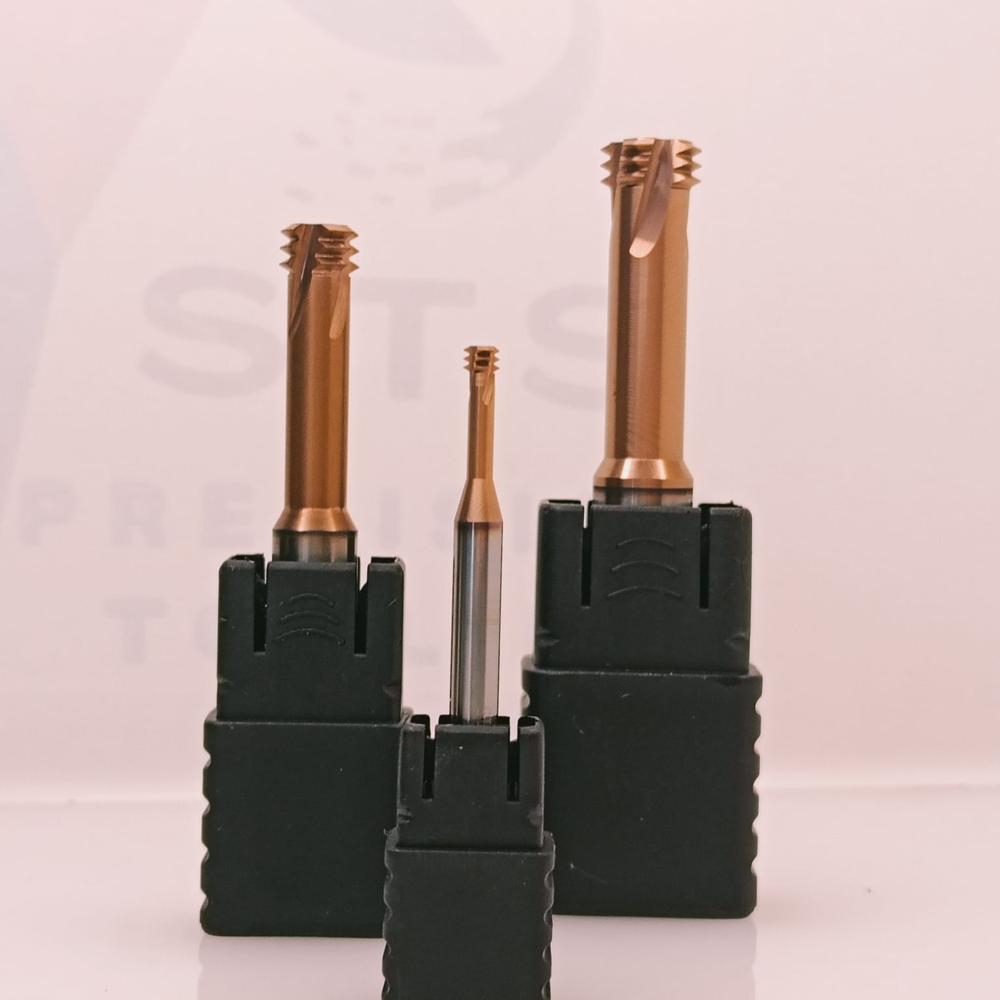
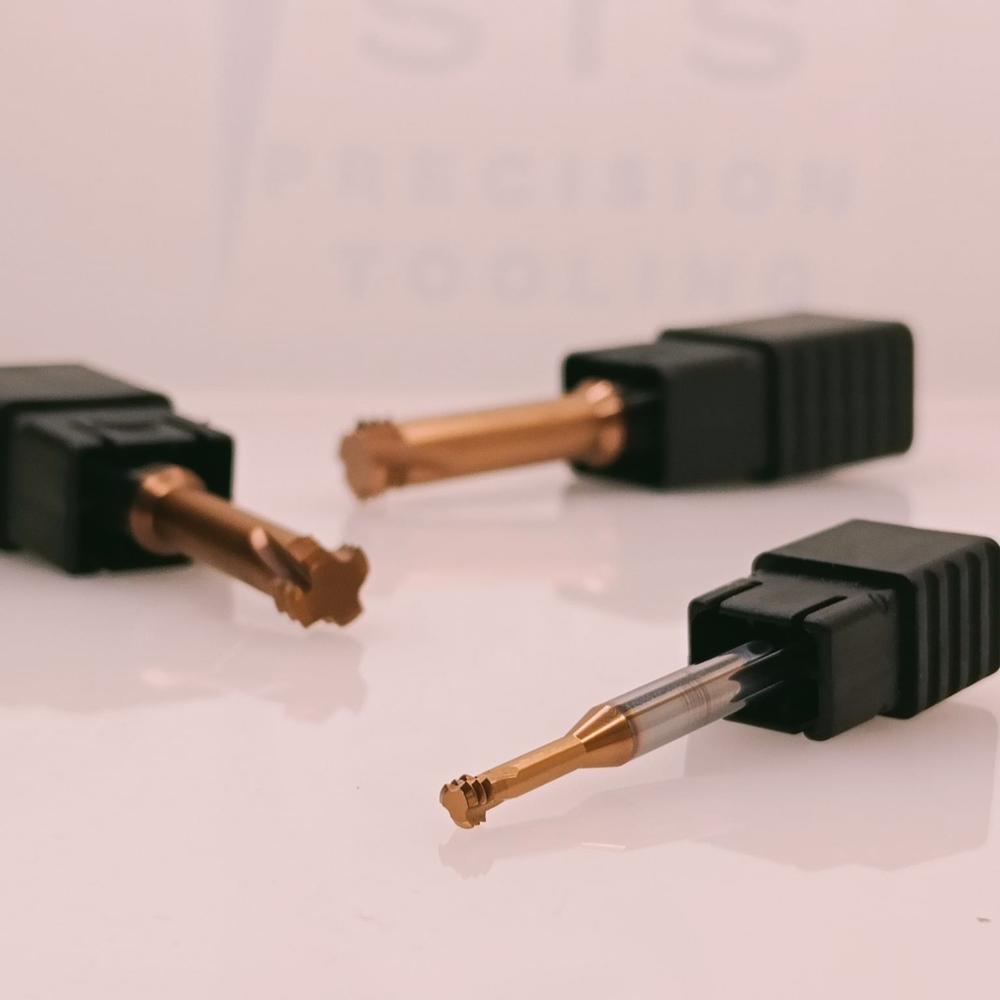
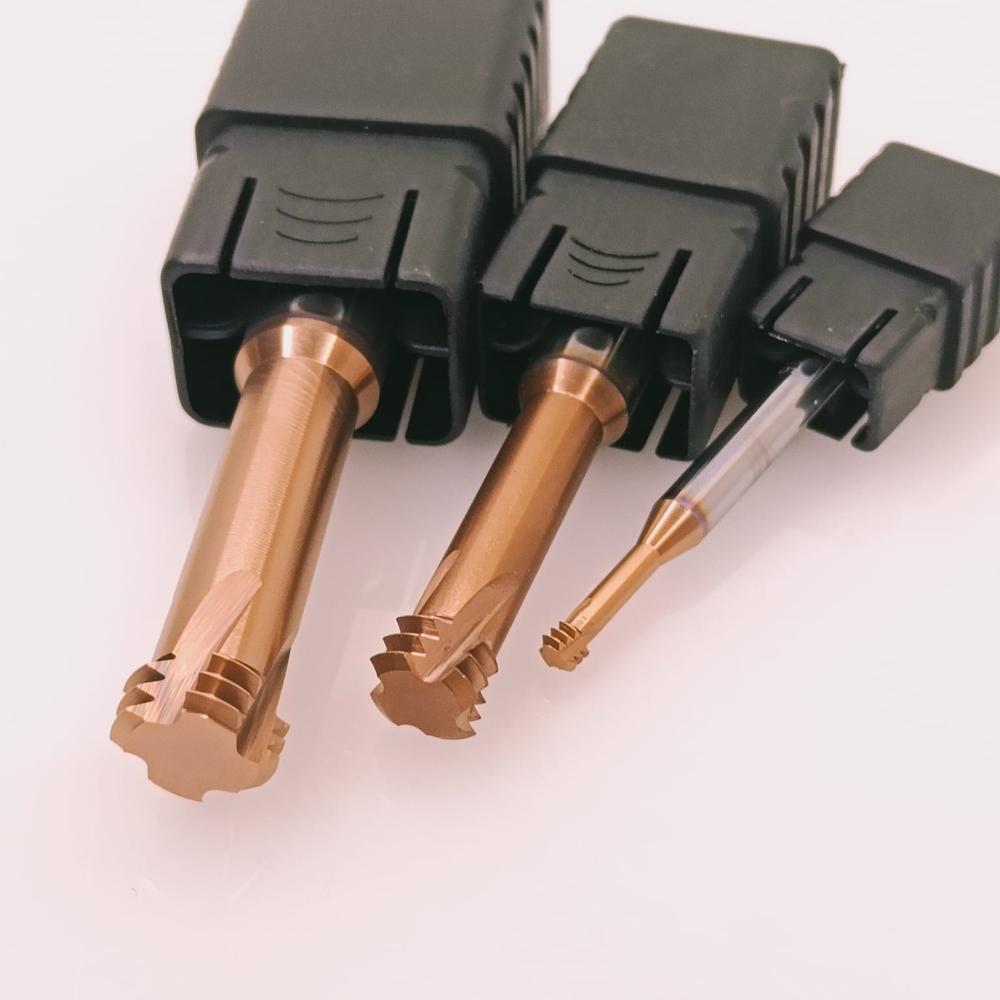
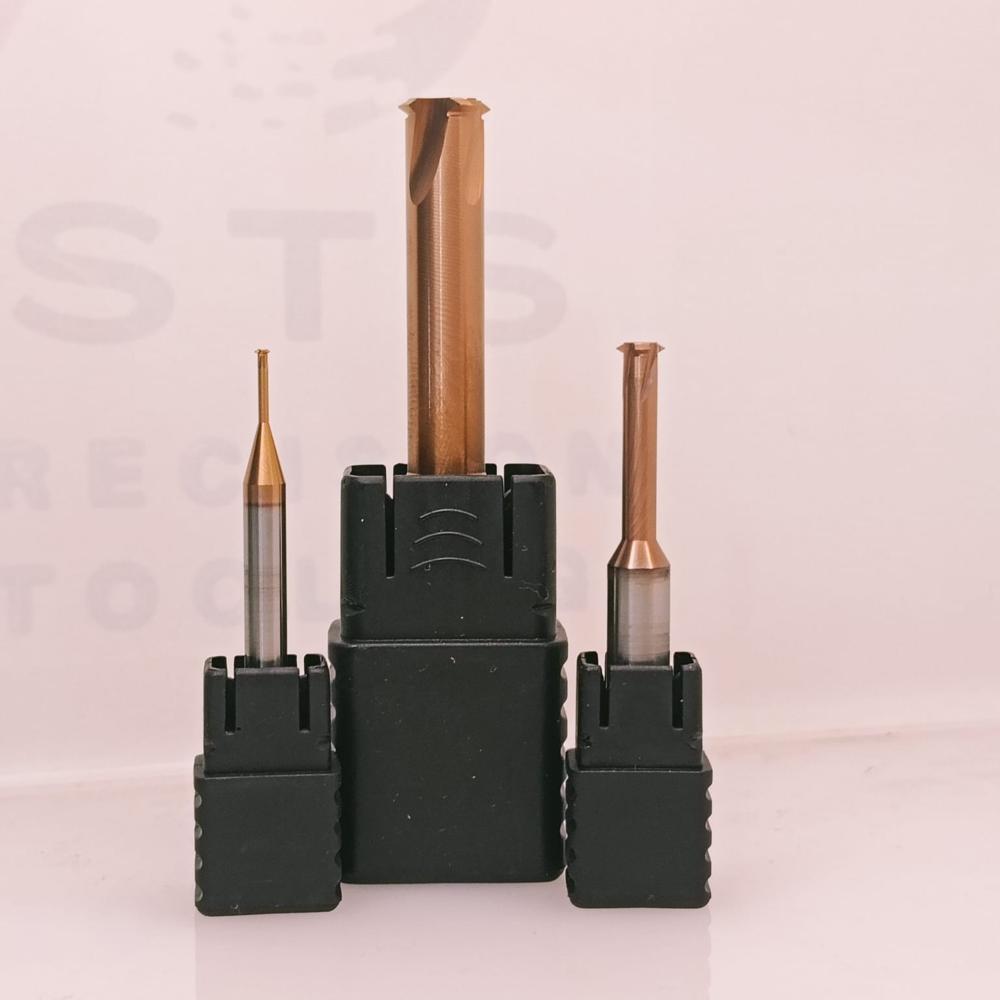
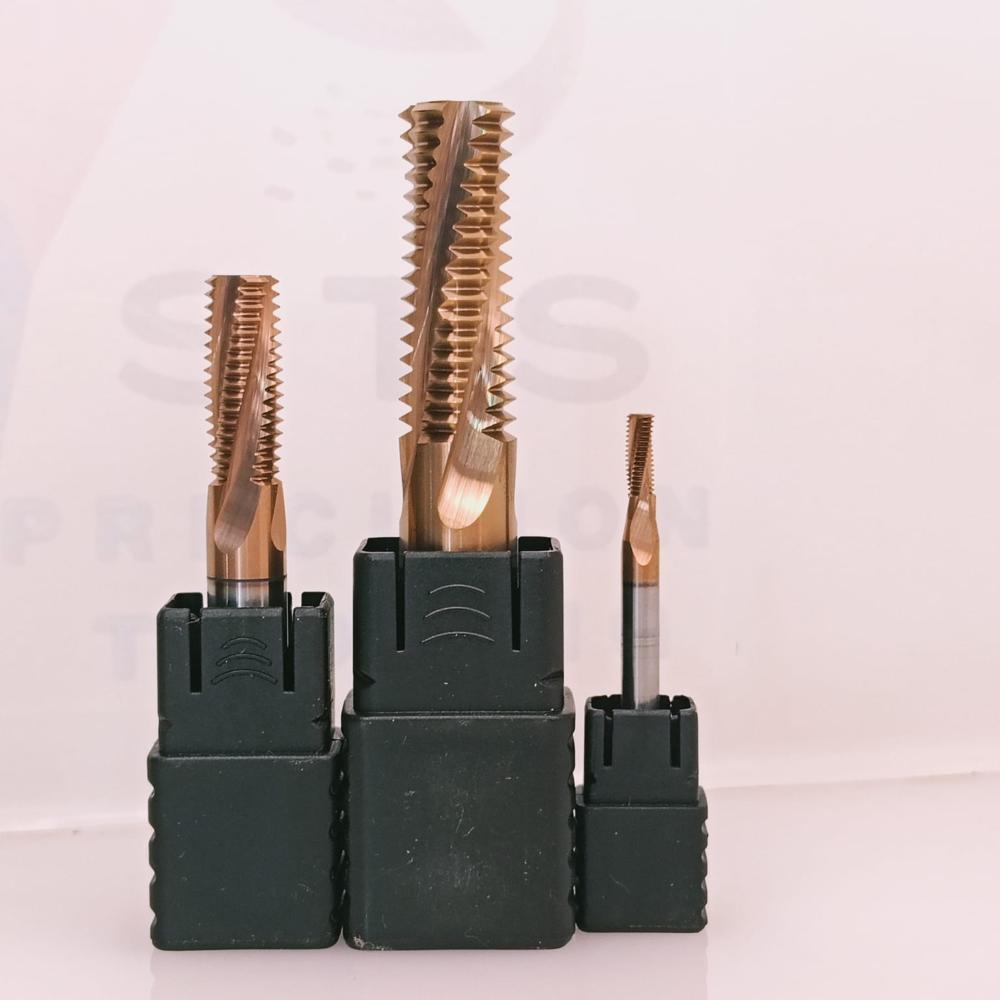
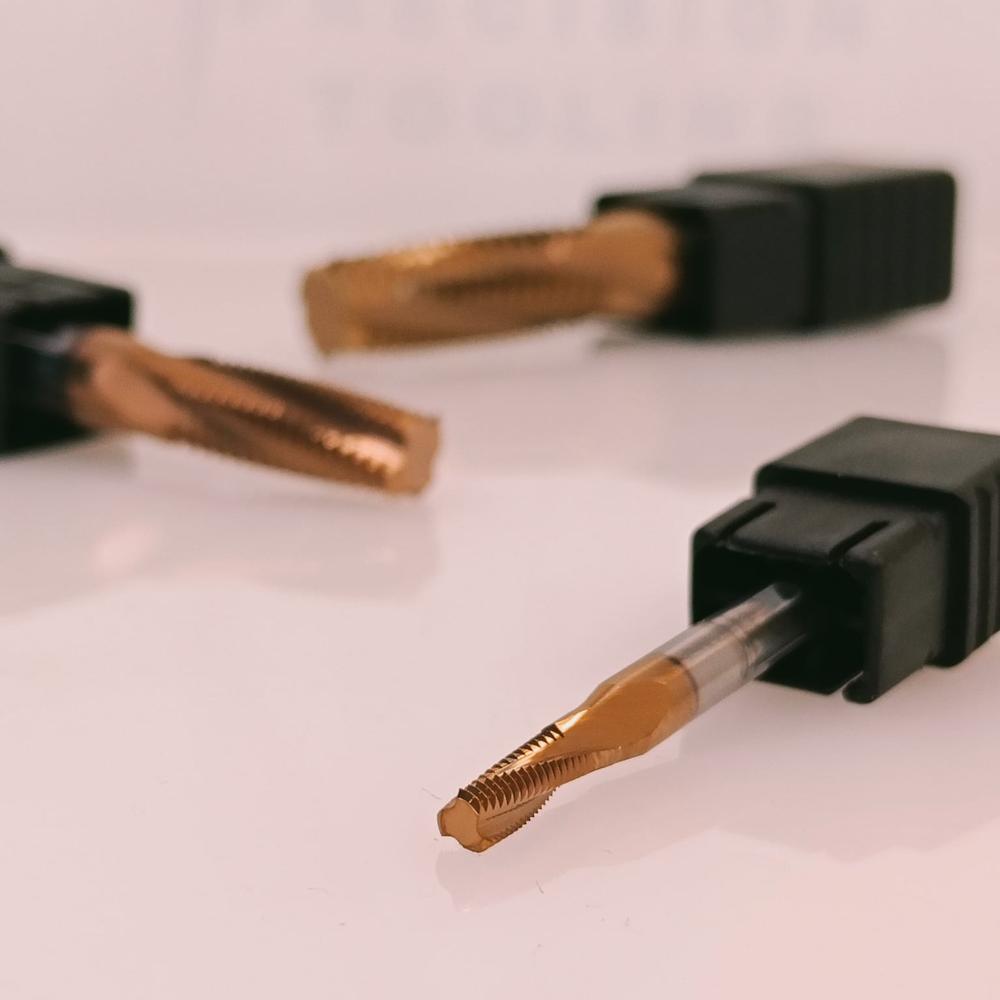
THR SM 2.0x0.4-D4 is a precision solid carbide thread milling cutter designed for accurate micro thread machining in CNC applications. Suitable for M2.0 threads with 0.4 pitch, this micro thread mill delivers exceptional thread accuracy, superior surface finish, and stable cutting performance in materials such as steel, stainless steel, and alloy components. Engineered with premium carbide grade and optimized cutting geometry, it ensures smooth chip evacuation, reduced tool wear, and extended tool life even in fine pitch threading operations. Its compact D4 shank provides enhanced rigidity and vibration resistance, making it ideal for precision engineering, electronics, die and mould machining, and micro component manufacturing. The advanced cutting design supports efficient threading with high dimensional accuracy and reliable productivity. As part of premium carbide cutting tools, it is trusted by CNC cutting tools manufacturers and industrial cutting tools suppliers.
SUKHMANI TOTAL SOLUTIONS, a leading CNC tools supplier in India, offers high quality precision carbide thread mills with competitive pricing and expert technical support.
Engineered for High Precision ApplicationsThe THR SM 2.0x0.4-D4 drill bit is meticulously designed for detailed drilling, threading, and micro machining tasks encountered in PCB and SMT manufacturing. Its two-flute, high-precision cutting capacity ensures reliable performance when accuracy matters most, making it indispensable for micro-component fabrication.
Unmatched Durability and Heat ResistanceConstructed from tough carbide and hardened to HRC 60-62, this drill bit endures rigorous conditions and sustained high-speed operation. The polished, uncoated finish, coupled with excellent heat resistance, delivers long-lasting performance and consistent results for both manual and automatic CNC drilling processes.
Optimized for Secure and Versatile OperationsThis drill bit's design offers resharpenable edges and a round shank for stable mounting in a variety of PCB drilling machines. Whether used in bulk manufacturing or specialized one-off tasks, its h6 tolerance and cutting accuracy of 0.01 mm support the critical standards required by the electronics industry.
FAQ's of THR SM 2.0x0.4*D4:
Q: How is the THR SM 2.0x0.4-D4 drill bit typically used in PCB and micro-component drilling?
A: This drill bit is designed specifically for threading and micro drilling in PCB, SMT, and other miniature electronic components. Its precision and sharp cutting edge make it ideal for creating accurate holes essential for electronic assembly and connectivity.
Q: What materials and coatings are used in the construction of this drill bit?
A: The tool is made from carbide, renowned for its hardness and durability. It features a polished, uncoated surface, ensuring efficient material removal and reduced friction during high-speed operations.
Q: When should operators consider resharpening the bit, and is it feasible?
A: Operators should resharpen the drill bit when signs of dullness or decreased cutting performance appear. The tool is designed to be resharpenable, extending its usable lifespan and maintaining high precision in drilling tasks.
Q: Where can the THR SM 2.0x0.4-D4 drill bit be purchased and in what packaging options?
A: This product is available through suppliers and traders across India, and can be supplied in either individual plastic tubes for protection or in bulk packaging depending on order size and requirements.
Q: What is the recommended process for using this drill bit in CNC machines?
A: Install the drill bit by securing its round shank into the chuck of a CNC or PCB drilling machine. Operate at speeds up to 5000 RPM, ensuring compatible feed rates and cooling, to achieve optimal threading accuracy and surface finish.
Q: What are the primary benefits of using this type of micro drill bit for electronics manufacturing?
A: Key benefits include high wear resistance, sharp and accurate cutting, excellent heat tolerance, and the ability to perform both manual and automated operations, thus improving productivity and reducing tool change frequency in delicate electronics manufacturing.




 Send Inquiry

 Send Inquiry